
Hereditary Demos & Visualisation Components
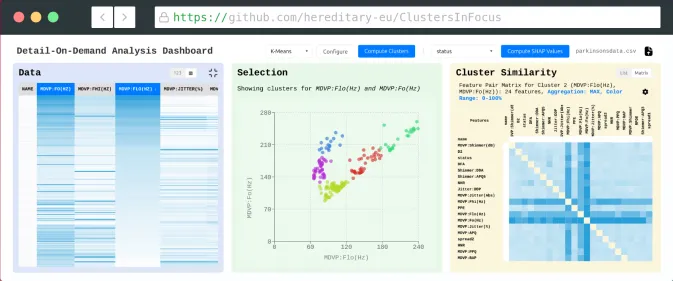
Within the Horizon Europe Project HEREDITARY (running from 2024-2027), we collaborate with different partners from medical research, machine learning, databases and other fields on the visualization of multimodal, distributed clinical and research data, building various visualisation prototypes and demos. Many of the demos are developed as part of the Work Package 5 (WP5) efforts, which focusses on visualisation. This webpage demonstrates many of the visualization approaches we are developing, making them available for interested parties to try out. For any questions, comments or suggestions please contact the TU Graz HEREDITARY team at demos.hereditary@mlist.tugraz.at.Exploring tabular datasets to understand how different feature pairs partition data into meaningful cohorts is crucial in domains such as biomarker discovery, yet comparing clusters across multiple feature pair projections is challenging. We introduce Clusters in Focus, an interactive visual analytics dashboard designed to address this gap. 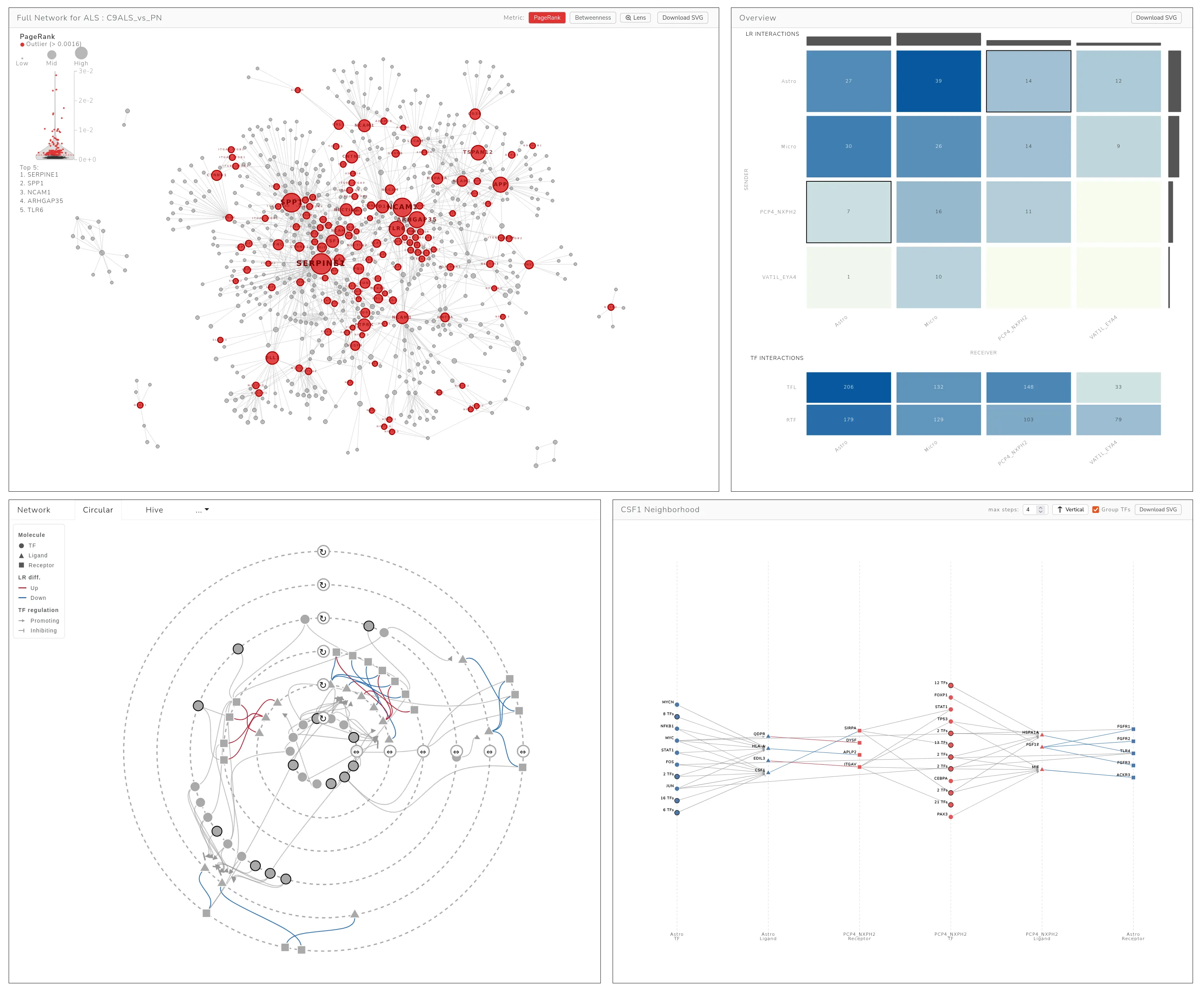 An interactive dashboard for exploring differential cell-signaling networks by integrating cell-cell communication inference with transcription factor (TF) activities inferred from scRNA-seq. It highlights the ligands, receptors, TFs, and cell types that drive disease mechanisms, traces signaling loops, and supports on-the-fly GO, KEGG, and Reactome over-representation analyses. An Amyotrophic Lateral Sclerosis (ALS) case study is included, enabling the biomedical inspection of sporadic ALS, familial ALS, and their contrasts.
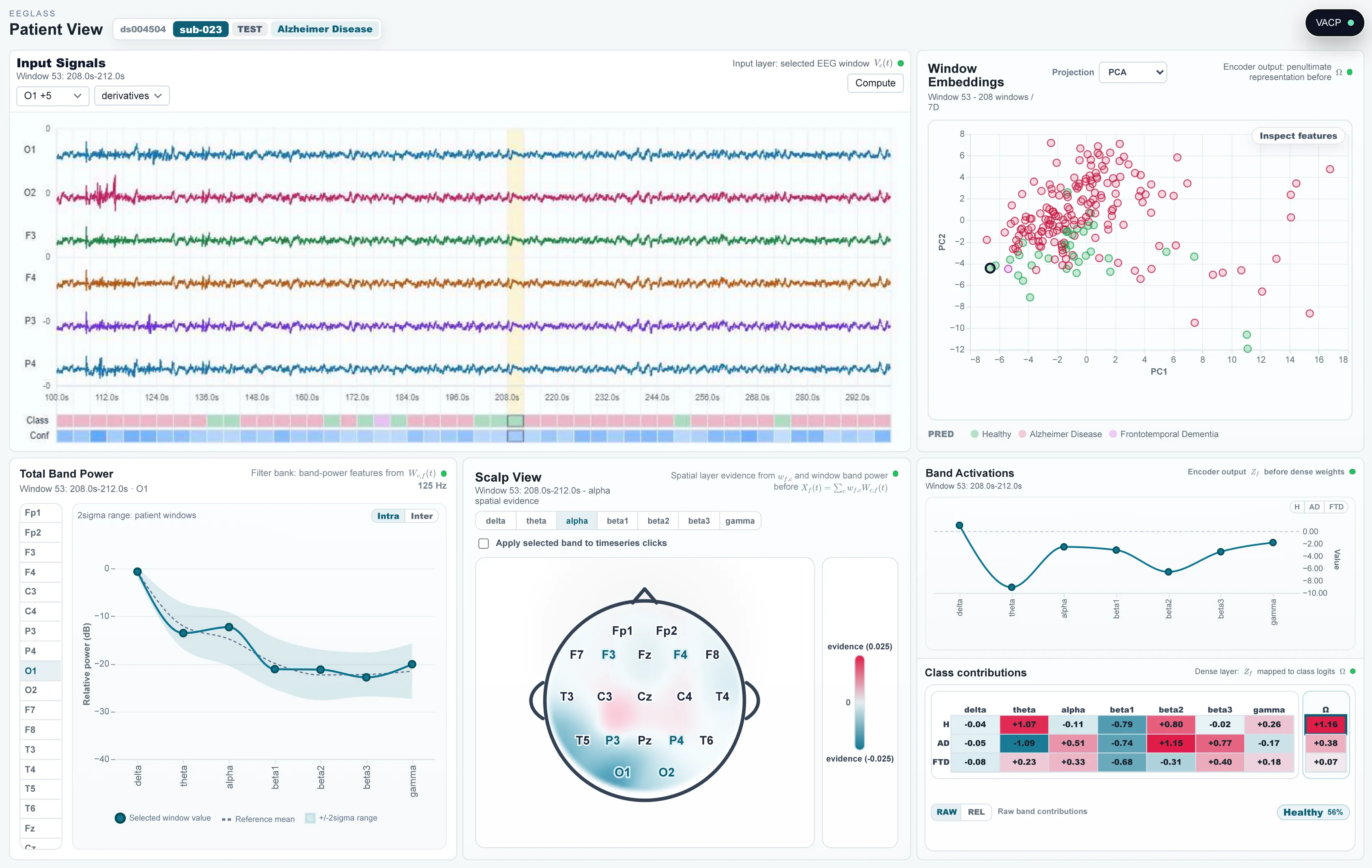 To make clinical diagnoses more understandable, we present a visual interactive dashboard on top of the efficient xEEG classifier network architecture, which puts a special emphasis on explainibility of the model and outcome. This dataset and model focusses on Alzheimer's Disease (AD) and Frontotemporal Dementia (FTD), every step in the classification is presented in a visual and understandable way, on top of an integrated EEG database viewer.
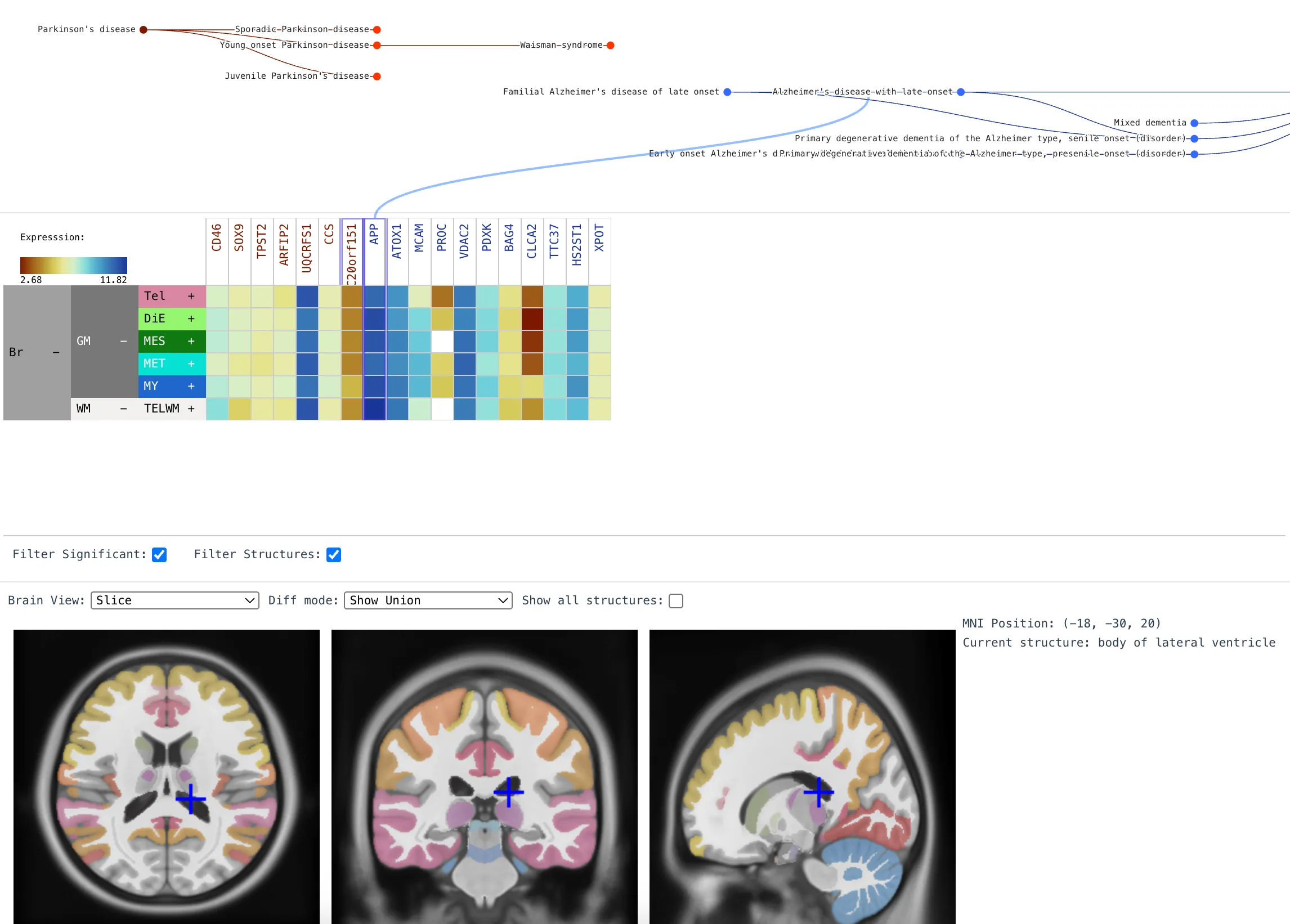 GIBBER helps experts to associate Diseases, Genes, and Brain regions!
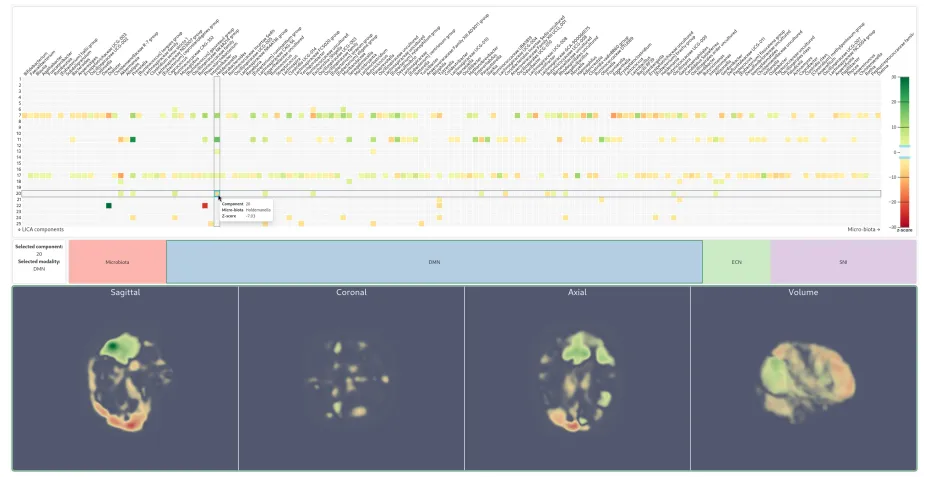 The Gut-Brain Viewer visualizes gut microbiota-brain links from LICA outputs via three linked views. An interactive microbiota matrix shows organism Z-scores per component with thresholding and selection. A modality stacked-bar view displays percent contributions and loads the selected modality. Interactive brain slices and volumetric renders show voxel Z-scores for SN, ECN, or DMN from 4D NIfTI files.
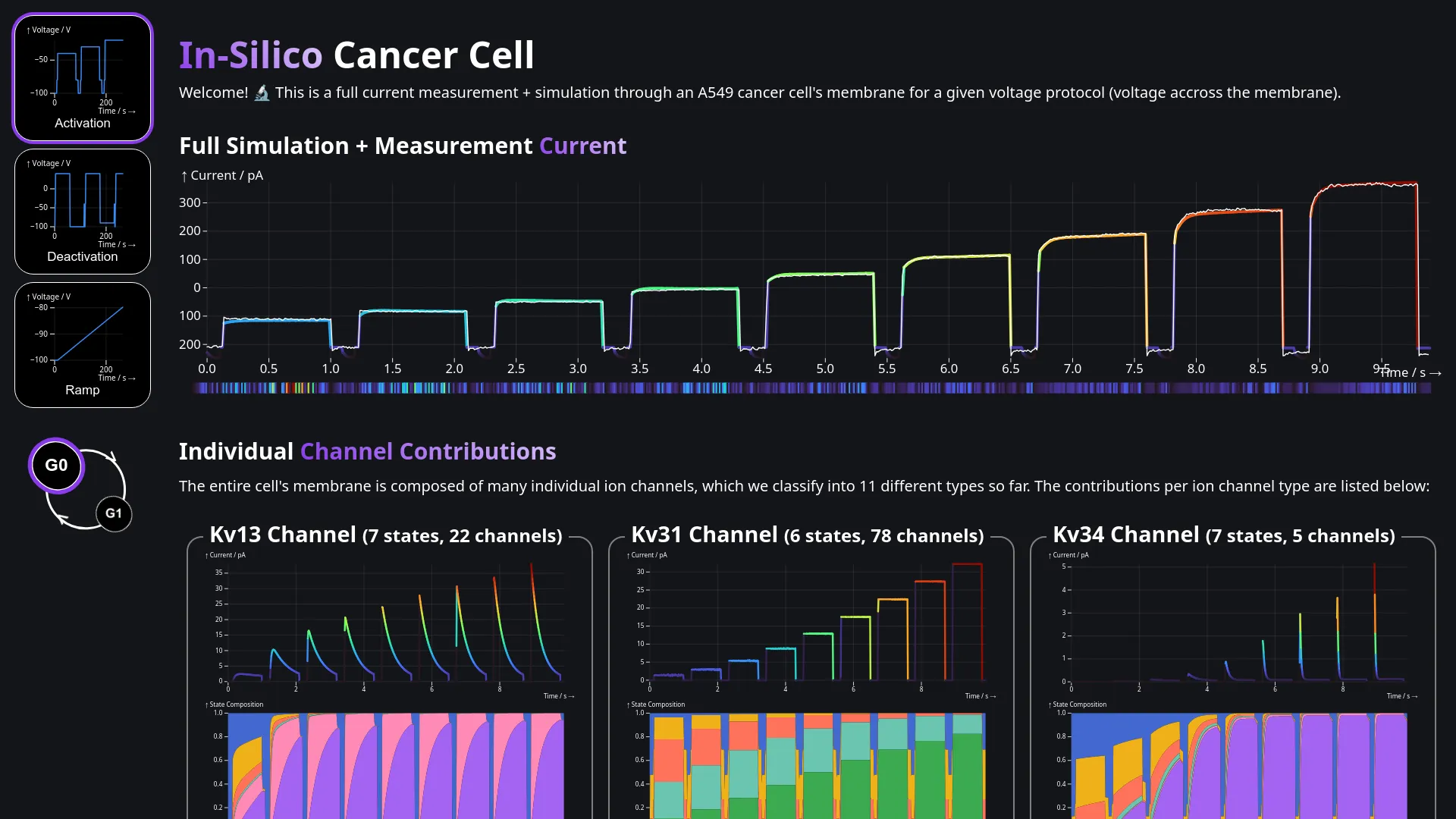 This component is concerned with the visualisation of a multi-component state model coupled (biological) system. Each component can be modelled through its own individual state model, including dependencies on the environment such as ion concentrations, voltages or other variables.
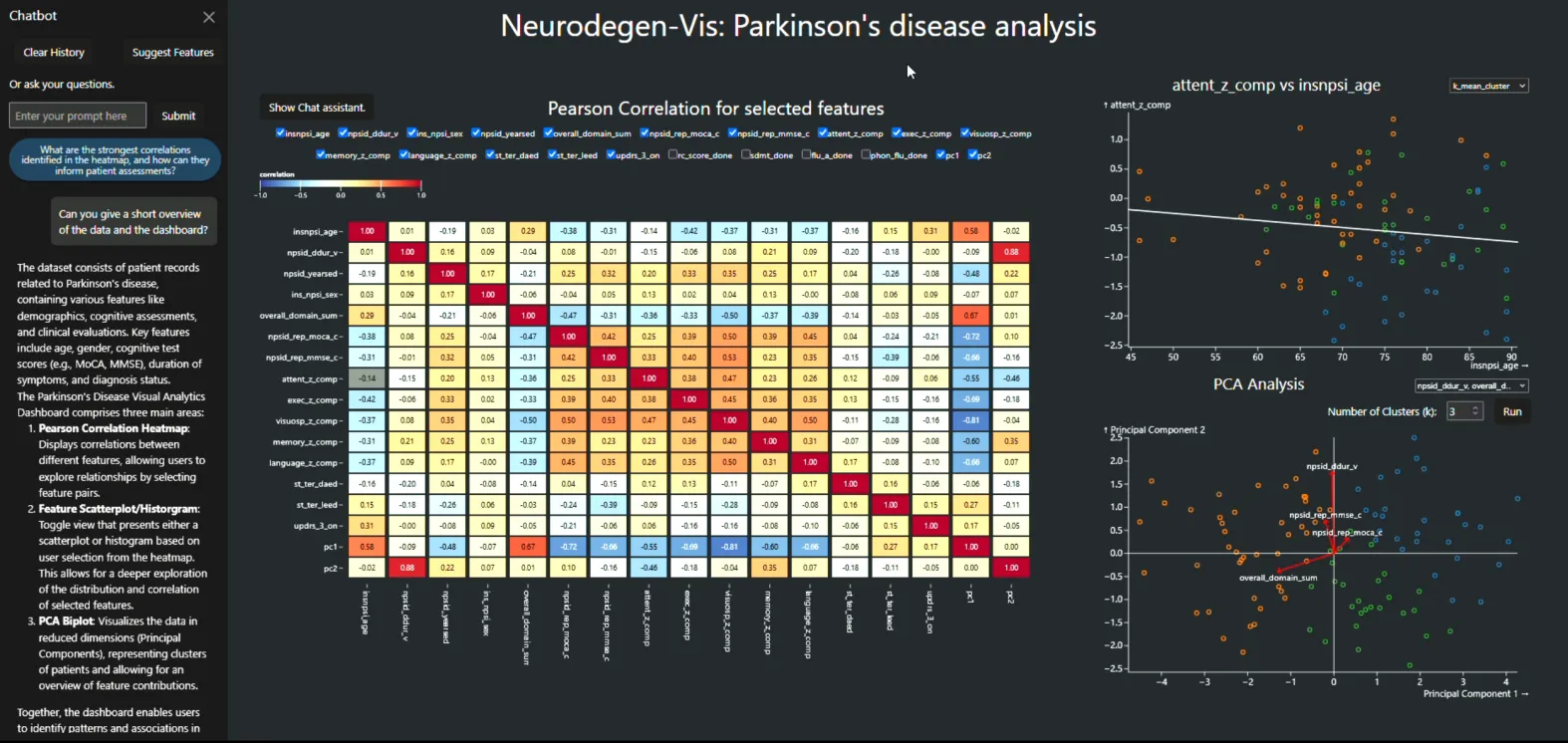 Healthcare records, measurements and datasets can quickly become highly complex in terms of storage, anonymisation and interpretation. With Neurodegen-Vis, we present a practical toolkit to anonymise, visualise and help interpret medical data in a Visual Analytics dashboard, with seamless integration of a Large Language Model (LLM).
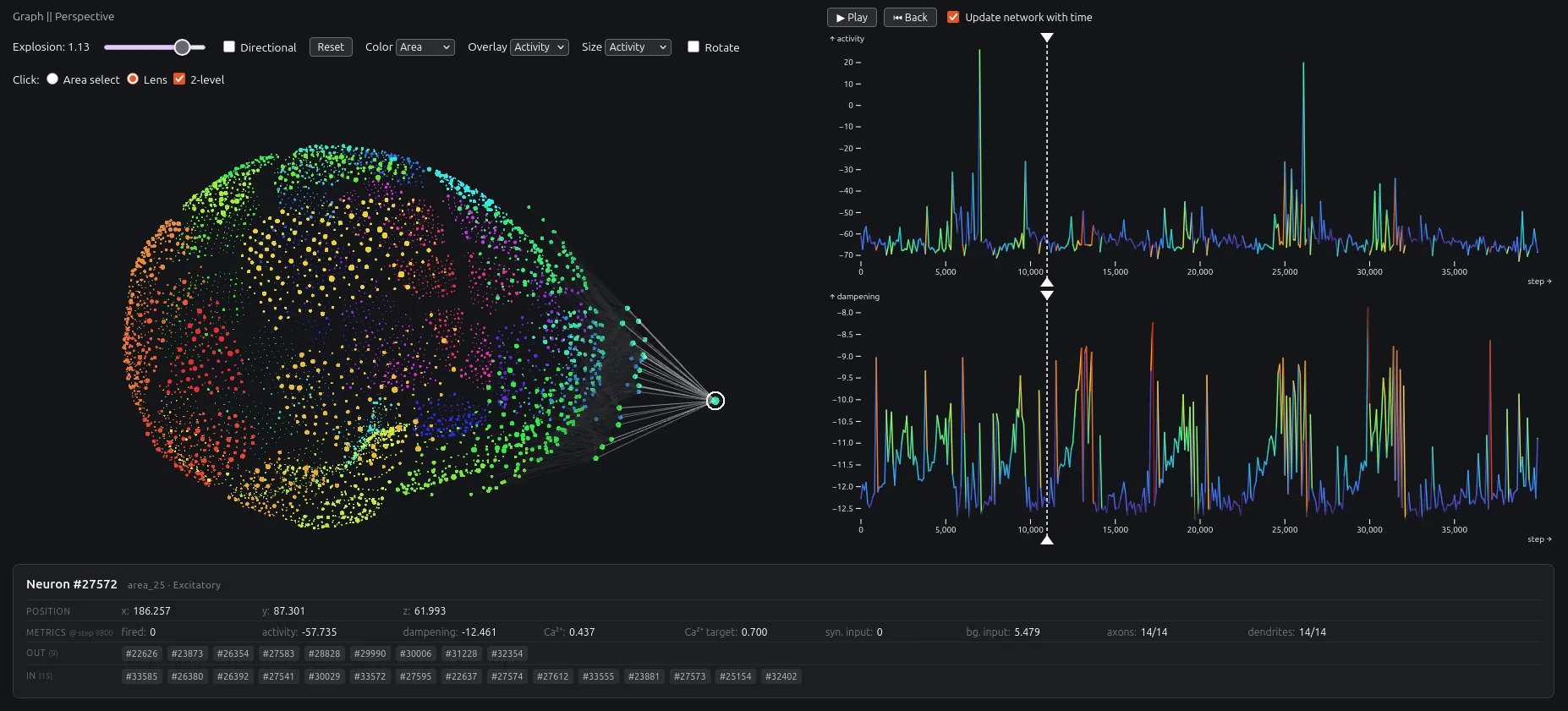 The Neuronal Lens tool visualises a simulation of the brain, focussing on the brain connectome and activity data. On the left, we have a shared view between the neuron graph and a perspective view, with an integrated lens. On the right, the varying quantities described above are displayed, for one selected neuron, as a coloured line chart. The colour intensity is used to indicate areas of high activity, although that can be adjusted.
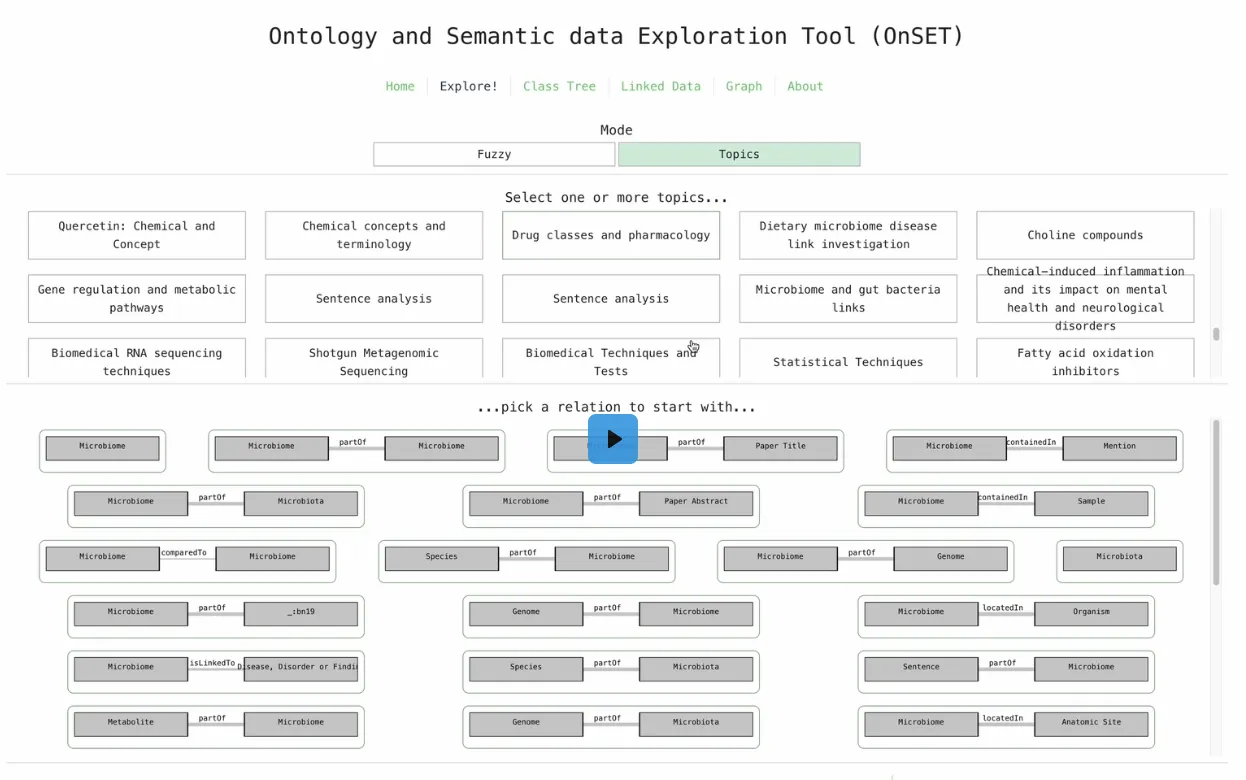 OnSET is designed to enable a more explorative ontology querying experience for non-expert users, and to build a quick understanding of the scale and nature of a KG that is in use. The toolkit consists of multiple smaller systems, complimenting each other.
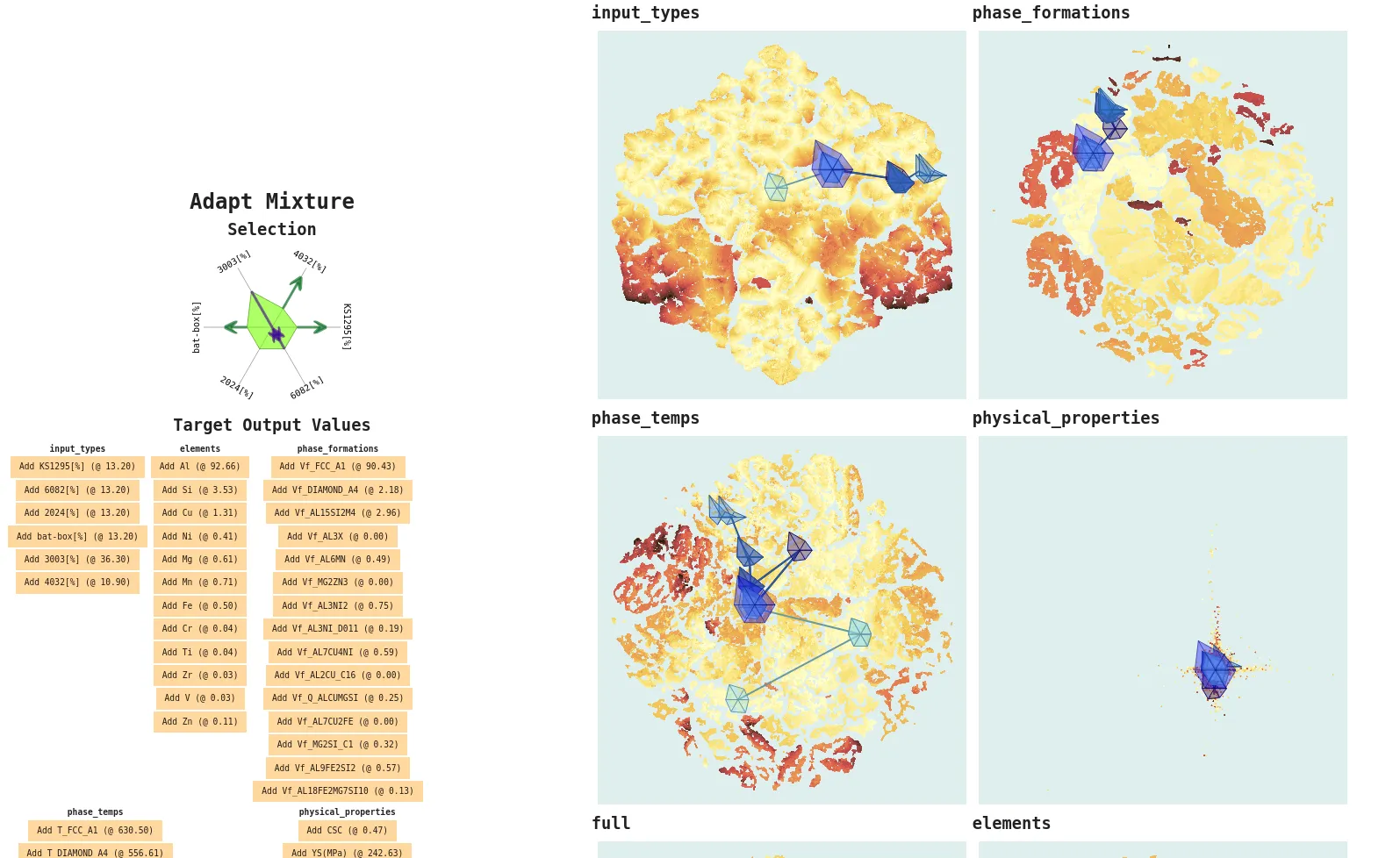 ParamInter is a novel toolset to explore continous input-output parameter sets interactively through guidance by XAI and UCQ. The approach interpolates between selected input samples over an embedded subspace, guiding the user towards required solutions for their target output parameters.
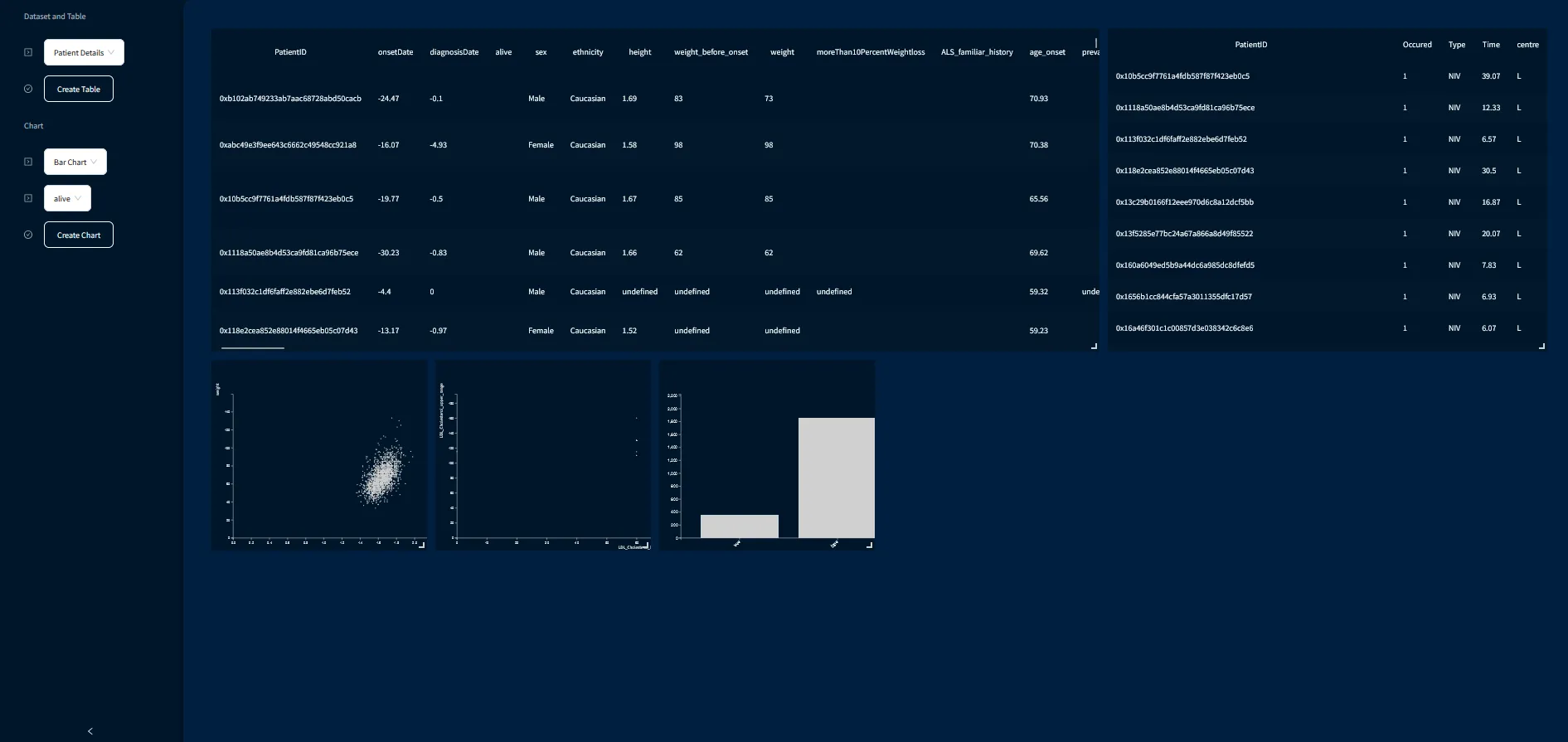 Amyotrophic Lateral Sclerosis (ALS) is a fatal neurodegenerative disease affecting over 300,000 people worldwide. Currently, there is no cure—only treatments aimed at improving patients' quality of life. We introduce ALviS, a prototype designed for analyzing ALS datasets, providing a foundational framework for visualizing and exploring the multivariate ALS dataset.
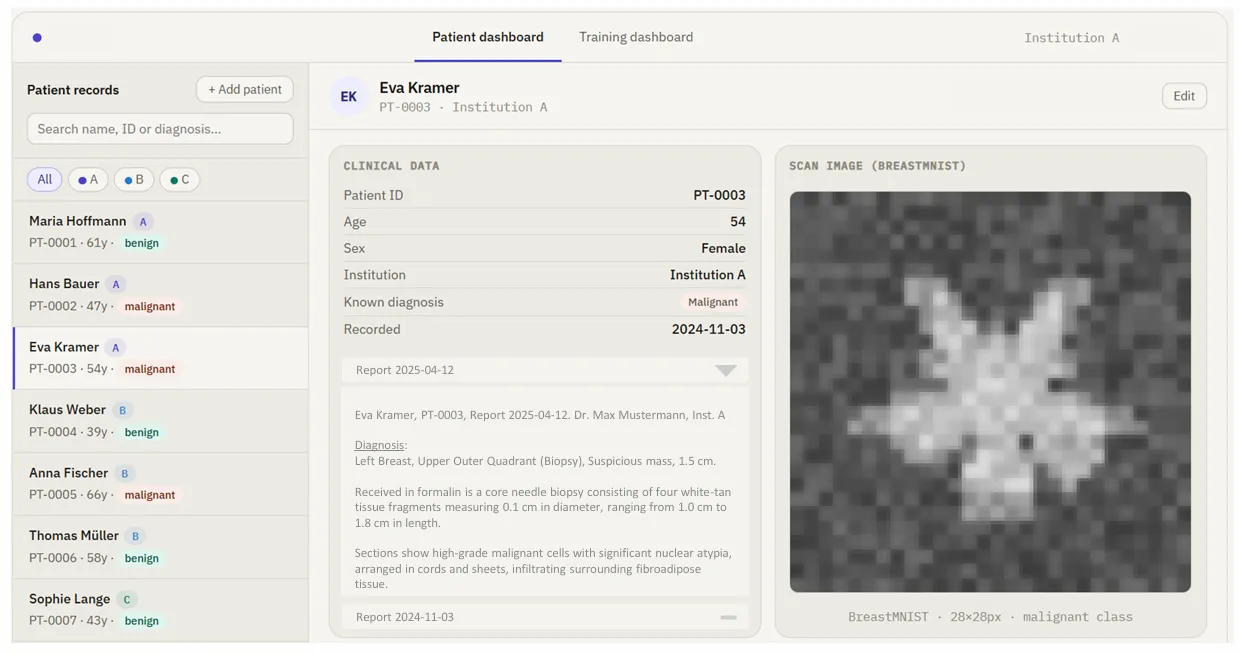 Dashboard for tracking and understanding the training of federated machine learning models, allowing individual parties to view their local dataset, contribution to training and compare local to global data.
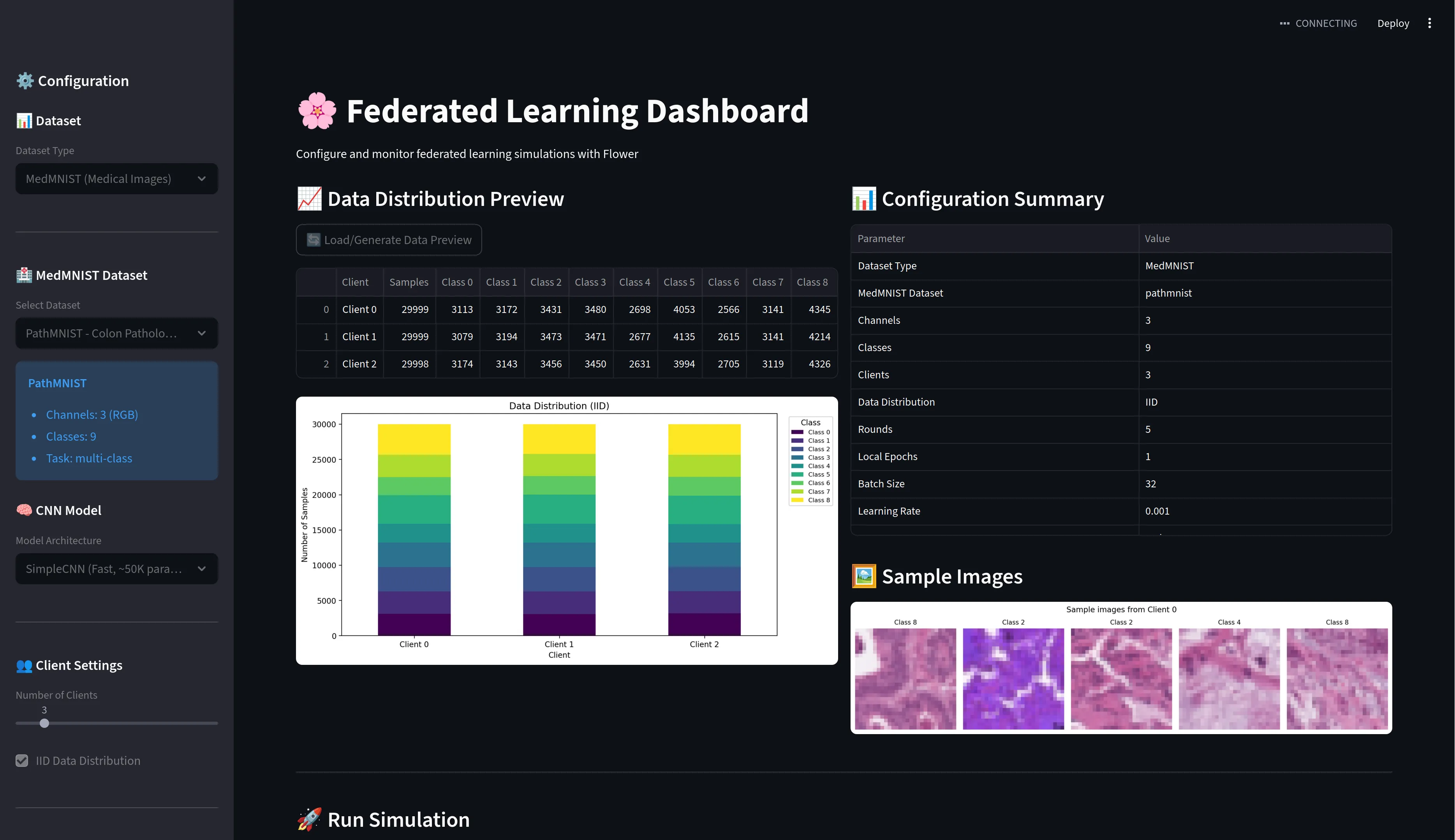 An interactive Streamlit dashboard for exploring Federated Learning (FL) concepts, including domain shift, aggregation strategies, and the benefits of FL for biased data distributions. Based on the Flower framework.
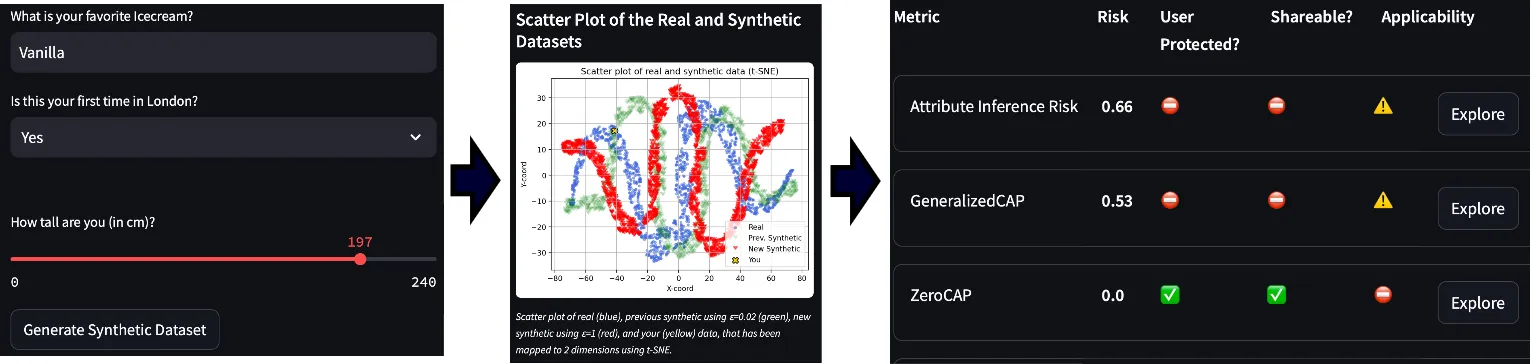 Synthetic data generation is the process of generating a new synthetic dataset based on the statistical properties of a confidential existing dataset. Differential privacy is the property of such mechanism that establishes the level of privacy, when sharing such data. To ensure differential privacy, noise is injected into the statistics learned from the dataset, entailing a trade-off between privacy and utility. Privacy is then measured via a set of privacy metrics that usually establish a lower bound on a few aspects of the privacy-utility tradeoff. PrivEval is a tool to make privacy assessment more transparent through evaluation of several privacy metrics on both a single user and the overall dataset.
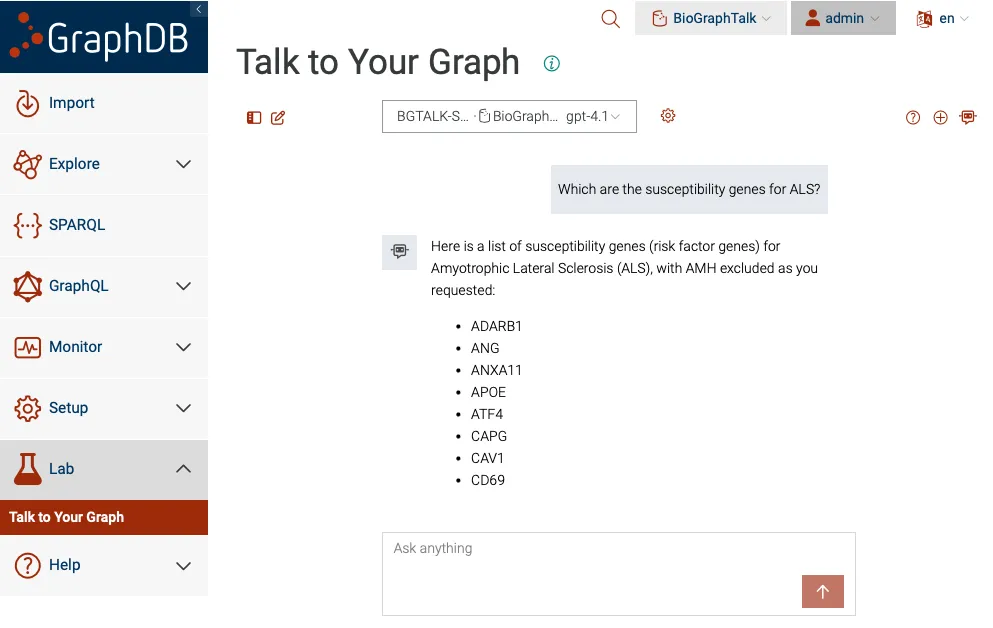 By enabling users to communicate in natural language rather than technical query languages like SPARQL, Talk To Your Graph (TTYG) reduces technical barriers for non-expert users. TTYG enables intuitive access to complex data while remaining independent of the underlying schema and resilient to subsequent modifications in the knowledge graph's organization. The Talk To Your Gene-Disease Graph demonstrator is able to answer natural language questions on a custom-curated knowledge graph about gene-disease associations. It allows for identification of novel biological targets of new potential drug agents and for understanding of the disease biology - related biological processes, mechanism, tissue/organ/cell profiling, interacting partners, etc.
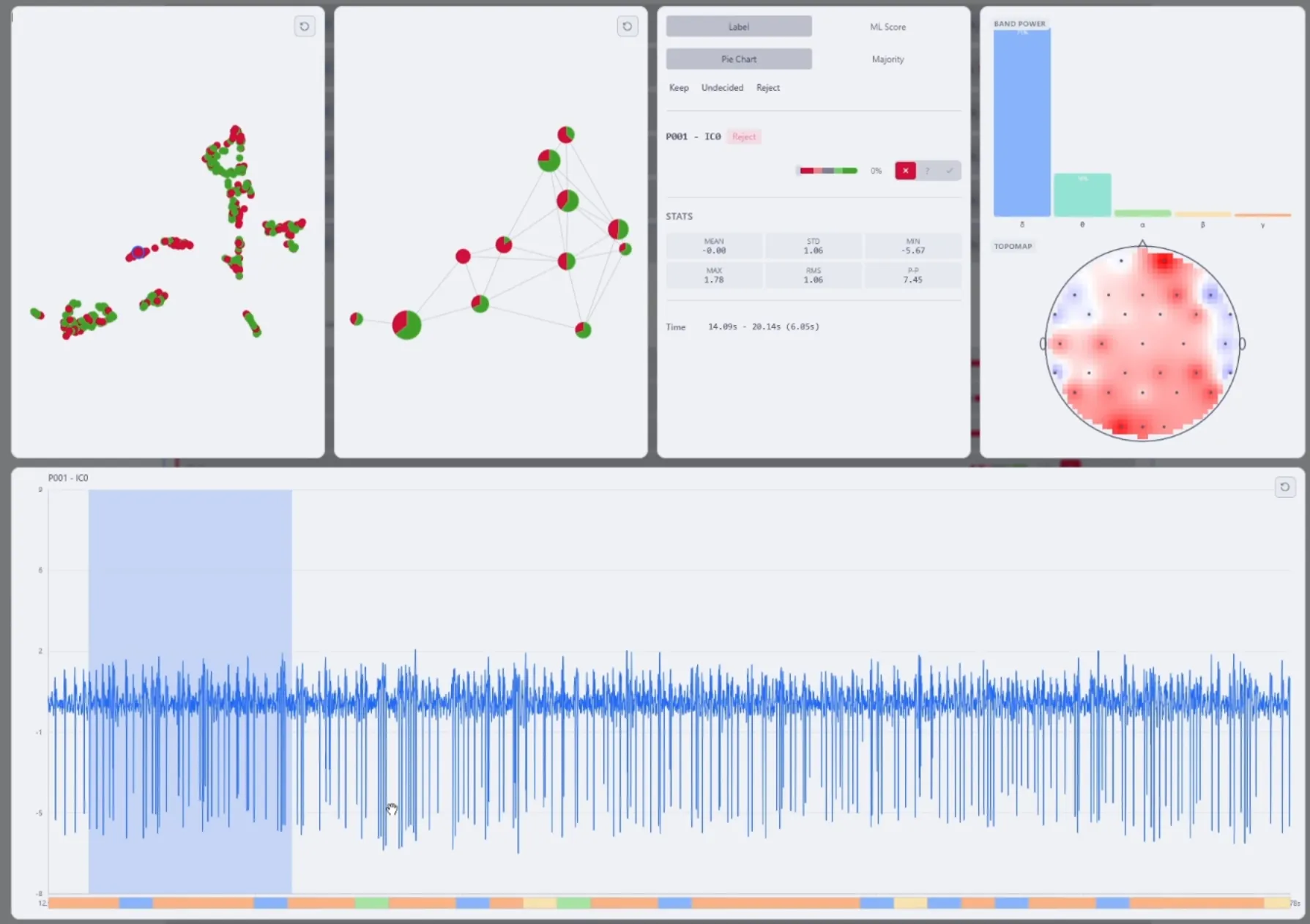 EEG measurements are an important biosignal used to assess brain health. For example, EEG helps diagnose neurodegenerative diseases and monitor patient status. Selecting which EEG signals to use for model training is time-consuming and often uncertain. Visualization tools can help screen EEG time windows and make selection decisions faster. A dashboard should display OK/NOK labels and allow comparison against clusters, frequency bands, and sensors.
 This project has received funding from the European Union's Horizon Europe
research and innovation programme under grant agreement No GA 101137074. Views
and opinions expressed are however those of the author(s) only and do not
necessarily reflect those of the European Union. Neither the European Union nor
the granting authority can be held responsible for them. This project has
received support from the EOSC EU Node.
This project has received funding from the European Union's Horizon Europe
research and innovation programme under grant agreement No GA 101137074. Views
and opinions expressed are however those of the author(s) only and do not
necessarily reflect those of the European Union. Neither the European Union nor
the granting authority can be held responsible for them. This project has
received support from the EOSC EU Node.
Multi-Component State Model Visualisation
PrivEval: A Tool For Interactive Evaluation Of Privacy Metrics In Synthetic Data Generation
Talk To Your Gene-Disease Graph
Visual Inspection of EEG Data Frame and Model